Cockatoo Blog
Do Cockatoos Bite? Why They Bite & How to Stop It
Jul
Do cockatoos bite? Yes – like any parrot, a cockatoo can and sometimes will bite, and with that powerful beak it can hurt. The good news is that biting is almost always a reaction to something, not a character flaw, and a well-raised, well-handled cockatoo bites rarely. Understanding the warning signs and the reasons behind a bite is how you prevent it.
We hand-raise our birds from chicks and socialise them for gentle handling, so here is an honest, experience-based guide to why cockatoos bite and how to stop it.
Do cockatoo bites hurt?
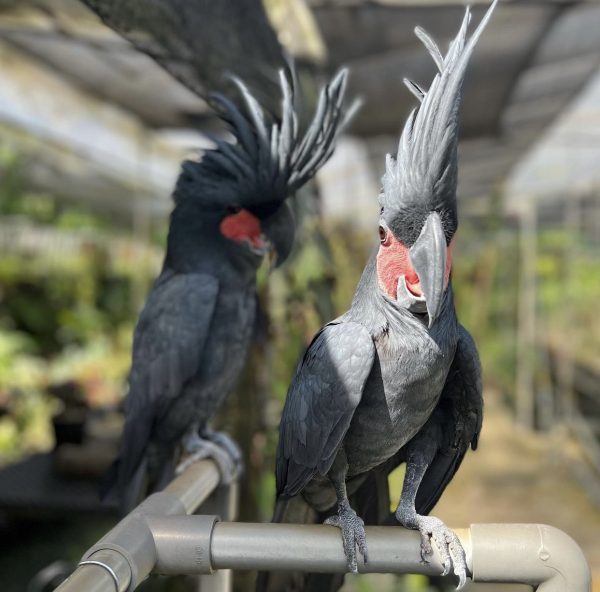
They can. Cockatoos have strong, hooked beaks built to crack hard nuts, and the largest species – the Moluccan and the Black Palm, which has one of the most powerful beaks of any parrot – can break skin or even bite through to bone in a serious bite. That said, most “bites” from a tame companion cockatoo are warning nips or beak pressure, not full-force attacks. A truly hard bite means the bird was frightened, cornered or pushed past a clear warning.
Why cockatoos bite
Biting is communication. Pin down the reason and you can prevent the next one. The usual causes are:
- Fear – a startled or cornered bird bites to defend itself.
- Hormones – during breeding season cockatoos get territorial and moody, and bites spike.
- Overstimulation – even happy play can tip into an excited nip if it goes on too long.
- Jealousy or bonding – a cockatoo bonded to one person may bite others who approach its favourite.
- Testing and play – young birds explore with their beaks and test boundaries.
- Pain or illness – a normally gentle bird that suddenly bites may be unwell.
Read the warning signs first
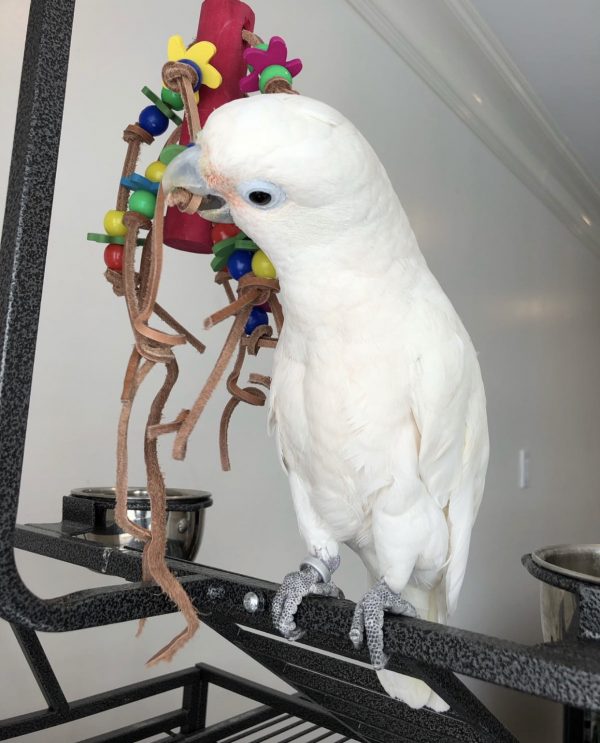
Cockatoos almost always warn you before they bite. Learn the body language and you can back off in time:
- Raised crest held stiffly – alarm or agitation (a relaxed, curious crest-raise is different and calmer).
- Pinning eyes – pupils rapidly shrinking to pinpoints signals high arousal.
- Fluffed body with a lunge or hiss – a clear “back off.”
- Fanned tail and open beak – defensive posturing.
When you see these, stop what you are doing and give the bird space. Respecting the warning is what teaches a cockatoo it does not need to escalate to biting to be heard.
How to stop a cockatoo from biting
- Never punish or hit. It destroys trust and makes biting worse. Cockatoos do not learn from fear.
- Do not dramatically react. Yelling or flapping rewards the bird with a big reaction. Stay calm and neutral.
- Respect the warnings above, every time, so the bird trusts that you listen.
- Build trust slowly with target training and positive reinforcement – reward gentle behaviour with treats and praise.
- Manage hormones with proper sleep, a non-fatty diet, and by avoiding petting anywhere except the head and neck, which can trigger hormonal responses.
- See an avian vet if a gentle bird suddenly starts biting – rule out pain or illness.
Consistency and patience do the work. A hand-raised cockatoo that is handled kindly and read carefully becomes a gentle, trusting companion – the same foundation of trust and enrichment we describe in our cockatoo care guide.
Cockatoo biting FAQ
Do cockatoos bite hard?
They can. Large species have powerful beaks capable of breaking skin, but most bites from a tame pet cockatoo are warning nips. Serious bites usually mean the bird was frightened or ignored after warning you.
Why does my cockatoo bite me suddenly?
Sudden biting is often hormonal, fear-driven, or a response to overstimulation – or, if it is out of character, a sign of pain or illness worth checking with an avian vet.
How do I get my cockatoo to stop biting?
Read and respect its warning signals, never punish it, stay calm when bitten, and build trust with positive reinforcement. Address hormones through good sleep, diet, and limited petting.
Which cockatoos are least likely to bite?
Well-socialised Galahs and Goffin’s tend to be gentler, but any hand-raised, kindly handled cockatoo can be trustworthy. Upbringing matters more than species.
So, do cockatoos bite? They can – but with respect for their body language and steady, gentle handling, biting stays rare. Explore our socialised, hand-raised cockatoo birds for sale, or start with our hand-raised cockatoos and we will help you pick a gentle match.
