Cockatoo Blog
Why Do Cockatoos Dance? The Science Behind It
Jul
Why do cockatoos dance? Because they genuinely feel the beat – cockatoos are one of the very few animals on Earth scientifically proven to move in time with music, bobbing, swaying and stomping to a rhythm just as we do. It is not a trained trick or mere imitation; researchers have shown it is real beat perception. Cockatoos dance because they are highly intelligent, social, and wired to sync movement to sound.
It is one of the most delightful things about living with these birds, and there is real science behind it. Here is what is actually going on when your cockatoo starts to groove.
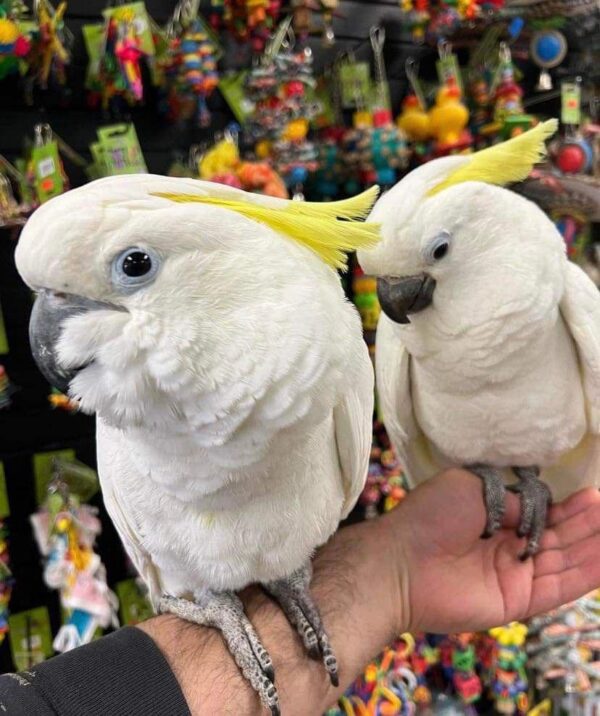
Snowball, the dancing cockatoo
The reason we know cockatoos truly dance comes largely from Snowball, a sulphur-crested cockatoo who became a viral sensation and then a genuine scientific subject. When neuroscientists tested him, they found he adjusted his movements to keep time as the tempo of a song changed – proof of real beat perception rather than random bobbing. Later studies documented Snowball inventing at least 14 distinct dance moves, from head-bangs to foot-lifts to body rolls, showing spontaneity and creativity, not just copying.
Why cockatoos can dance when most animals cannot
Dancing to a beat is astonishingly rare in the animal kingdom. Scientists link the ability to a specific combination of traits that cockatoos happen to share with humans:
- Vocal learning – the brain circuitry for learning and mimicking sounds seems to also enable syncing movement to sound.
- High intelligence – cockatoos are among the smartest parrots, with strong problem-solving minds.
- Intense sociality – flock animals that bond through shared, coordinated behaviour.
- The ability to move many body parts – head, feet, wings and crest all become dance tools.
That same intelligence and sociability is exactly why cockatoos need so much interaction and enrichment, as we explain in our cockatoo care guide – a dancing cockatoo is a mentally engaged, happy one.
What dancing means about your cockatoo’s mood
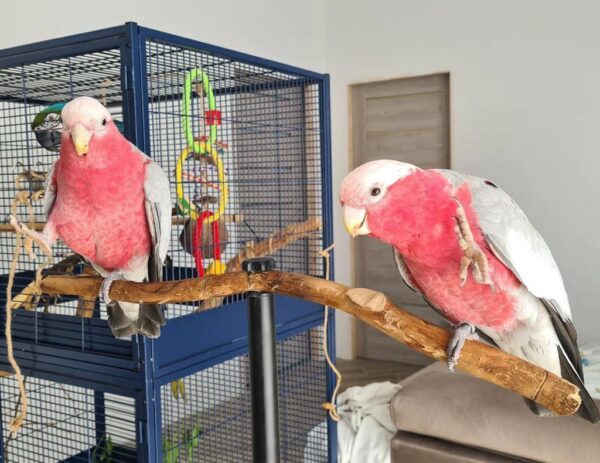
When a cockatoo dances, it is usually happy, excited and socially engaged. Dancing is often a bonding activity – your bird is joining in with you, its flock. Many cockatoos dance more enthusiastically when their favourite person dances too, turning it into a shared game. It is a wonderful sign of a bird that feels safe, stimulated and connected. (Do keep an eye out that excited dancing does not tip into overstimulation, which in some birds can lead to a nip.)
How to get your cockatoo to dance
- Play music with a clear, steady beat – many cockatoos favour pop and rock with an obvious rhythm.
- Dance yourself – bob your head and move; your bird will often mirror you.
- React with delight – praise and enthusiasm reward the behaviour and encourage more.
- Never force it – let your bird join in on its own terms; it should be fun, not pressured.
The playfulness that makes cockatoos dance is a big part of why people fall in love with them – and a big part of the daily commitment they need. If a joyful, interactive companion is what you are after, explore our hand-raised cockatoo birds for sale.
Dancing cockatoo FAQ
Do cockatoos really dance to music?
Yes. Scientific studies of the cockatoo Snowball confirmed genuine beat perception – cockatoos adjust their movements to stay in time as tempo changes, which is real dancing, not imitation.
Why do cockatoos bob their heads?
Head-bobbing is often dancing or excitement, and sometimes a bonding or attention-seeking display. In young or hand-fed birds it can also be a begging behaviour.
What music do cockatoos like?
Most dancing cockatoos respond best to music with a strong, steady beat, such as pop and rock. Individual birds have their own preferences.
Is it good for cockatoos to dance?
Yes – dancing is mentally stimulating, physically active and socially bonding. It is a healthy sign of a happy, engaged bird.
So the next time your cockatoo throws its crest up and starts stomping to the beat, know you are watching one of nature’s rarest talents. Ready for a companion this joyful? Browse our hand-raised cockatoos and read more on whether cockatoos talk.
