Cockatoo Blog
What Do Cockatoos Eat? The Complete Cockatoo Diet
Jul
What do cockatoos eat? A healthy pet cockatoo eats a base of formulated pellets – about 60 to 70% of the diet – topped up with fresh vegetables, some fruit, and only a small amount of nuts and seed as treats. The all-seed diets of the past are the leading cause of obesity and early death in cockatoos, so getting the balance right is one of the most important things you can do for your bird.
We feed and wean ten species, so here is exactly what to put in the bowl, what to offer as treats, and the foods that are dangerous enough to avoid entirely.
Pellets: the foundation
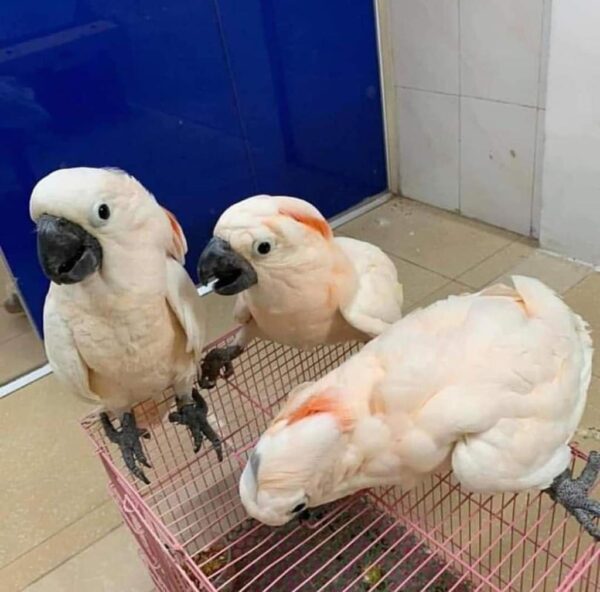
High-quality formulated pellets should make up the majority of a cockatoo’s diet. Unlike seed, pellets are nutritionally complete and balanced, so the bird cannot pick out only its fatty favourites. Choose a reputable brand sized for large parrots, avoid artificially dyed pellets where you can, and always have fresh, clean water available. If you are converting a seed-addicted bird onto pellets, do it gradually over several weeks.
Fresh vegetables and fruit
Around a quarter to a third of the daily diet should be fresh produce, leaning heavily on vegetables:
| Category | Good choices | How often |
|---|---|---|
| Vegetables (the priority) | Leafy greens, carrot, broccoli, capsicum, sweet potato, peas, corn | Daily |
| Fruit (in moderation) | Apple, banana, berries, melon, mango (no seeds/pits) | A few times a week |
| Sprouted seeds & legumes | Sprouted mung beans, chickpeas | Several times a week |
| Nuts & seed (treats) | Almonds, walnuts, a little sunflower/safflower | Sparingly, for training |
Foods that are toxic to cockatoos
Some everyday foods are dangerous or fatal to birds. Never feed a cockatoo any of these:
- Avocado – toxic to birds and potentially fatal.
- Chocolate and caffeine – both are poisonous to birds.
- Alcohol – never, in any amount.
- Salt, and salty/processed human snacks.
- Onion and garlic – can damage red blood cells.
- Fruit pits and apple seeds – contain compounds that release cyanide.
- Sugary, fatty, or heavily processed foods in general.
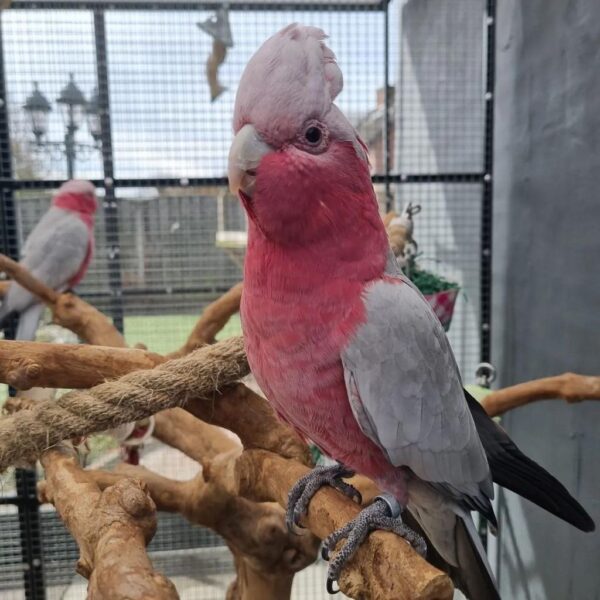
When in doubt, leave it out and check with an avian vet. Galahs and Moluccans in particular are prone to obesity and fatty tumours, so a lean, largely fatty-treat-free diet matters a lot – part of the overall care we cover in our cockatoo care guide.
What cockatoos eat in the wild
In their native Australia and Indonesia, wild cockatoos forage widely for seeds, nuts, fruits, berries, roots, and even insects and larvae. That natural variety and the effort of foraging is worth mimicking at home – use foraging toys and scatter-feeding so your bird works for some of its food, which keeps it mentally busy and helps prevent boredom-driven screaming and plucking.
Cockatoo diet FAQ
What is the best food for a cockatoo?
A base of high-quality formulated pellets (around 60 to 70% of the diet), supplemented with fresh vegetables, some fruit, and limited nuts and seed as treats.
Can cockatoos eat seeds?
In small amounts as treats, yes – but an all-seed diet is unhealthy and leads to obesity and early death. Seed should be a garnish, not the meal.
What foods are poisonous to cockatoos?
Avocado, chocolate, caffeine, alcohol, salt, onion, garlic, and fruit pits or apple seeds are all toxic and must never be fed.
How often should I feed my cockatoo?
Offer fresh pellets and produce daily, typically as a morning and evening feed, removing perishable fresh food before it spoils.
Feed a cockatoo well and you add years to its already long life. For more on keeping your bird healthy and happy, read our cockatoo care guide, or meet our hand-raised cockatoos.
